High-End Custom Manufacturing Company
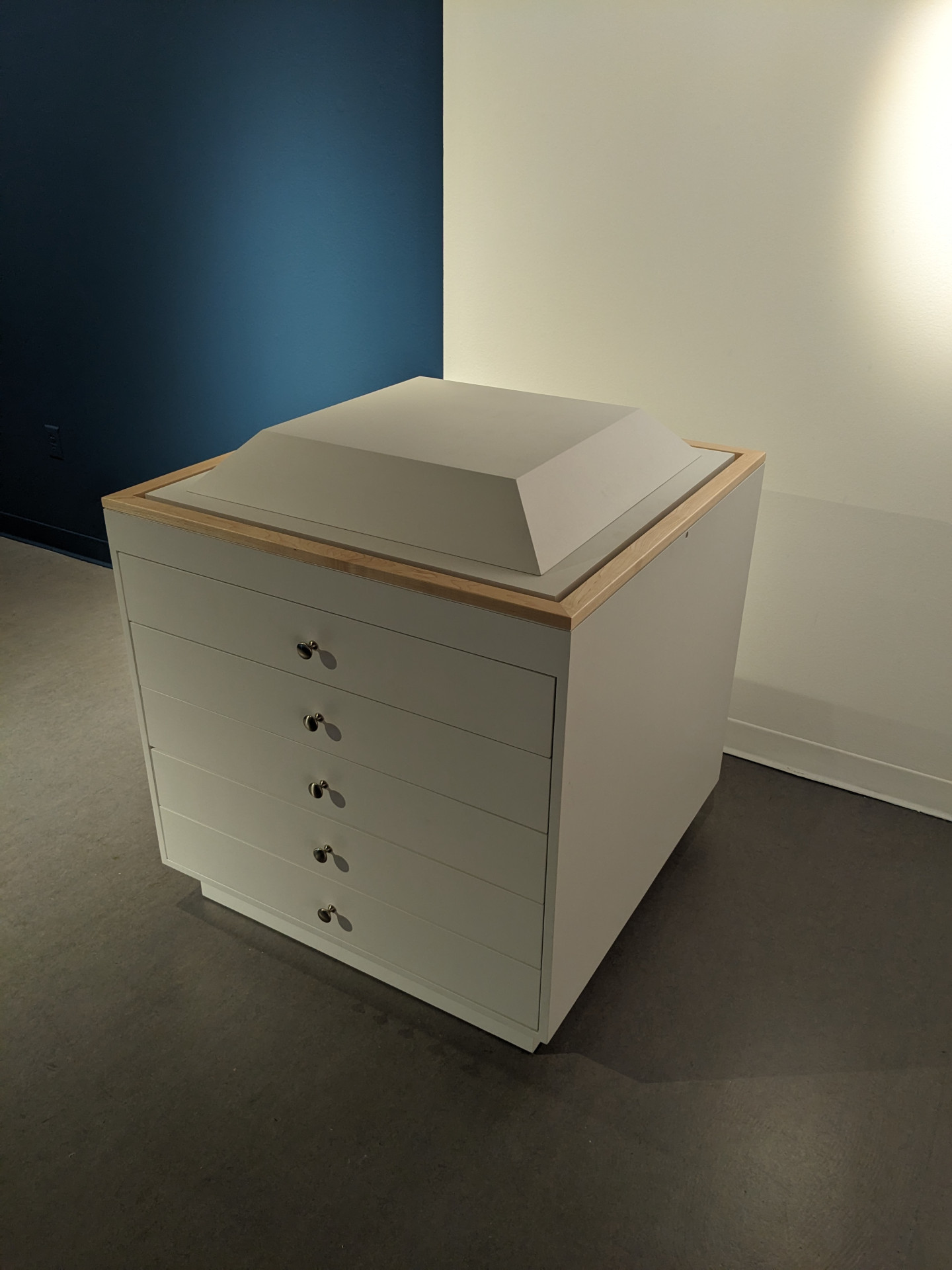
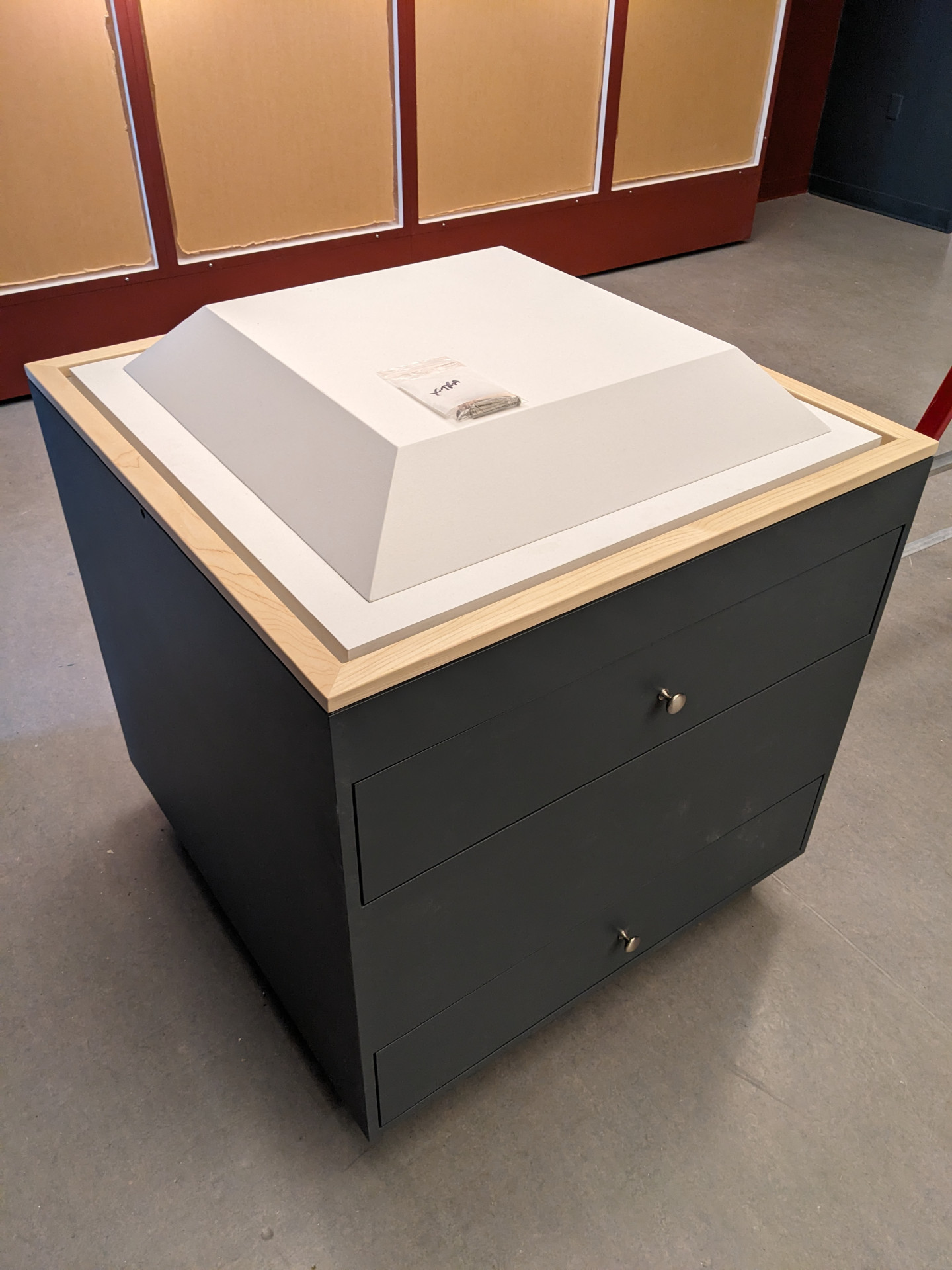
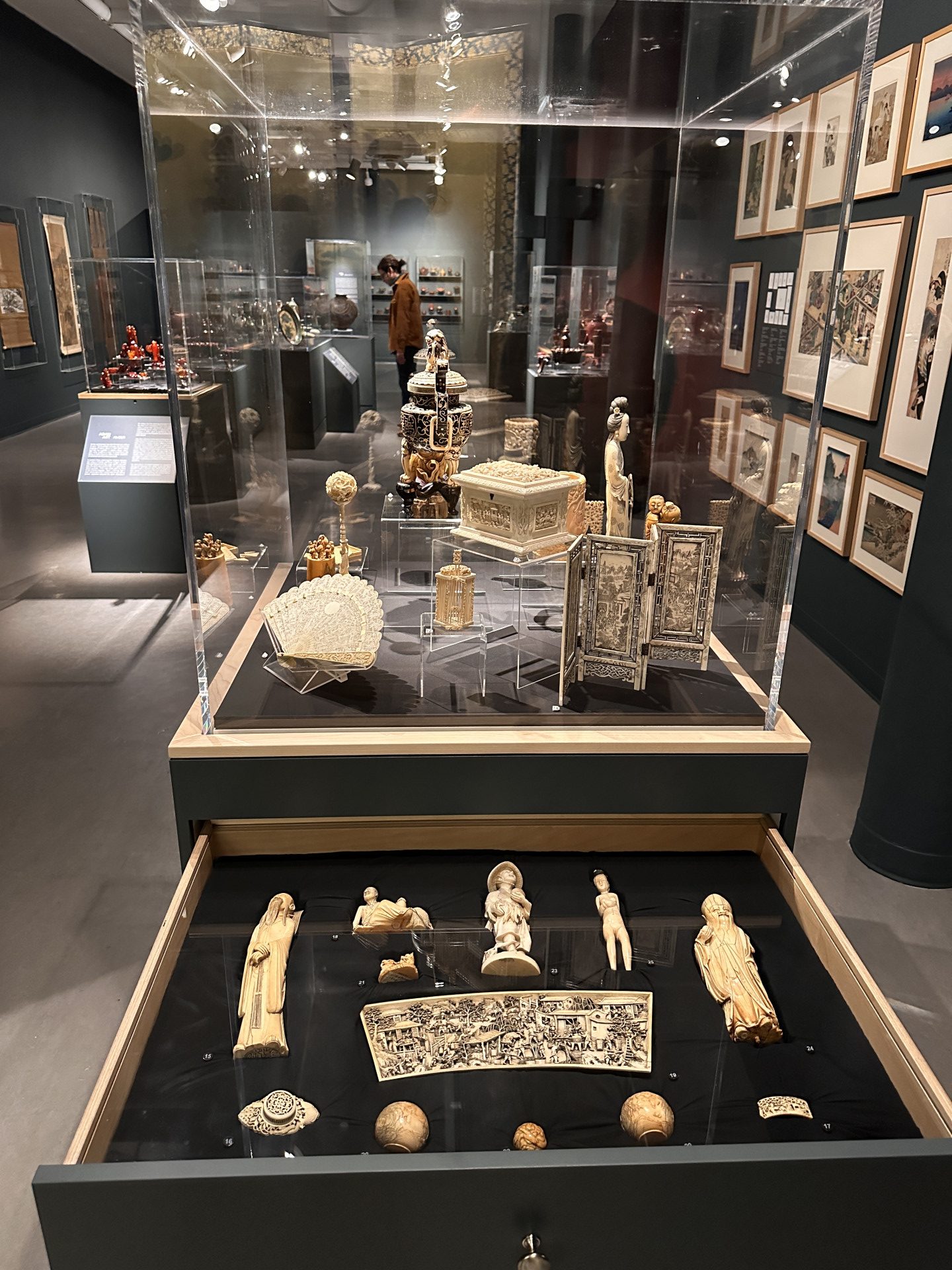
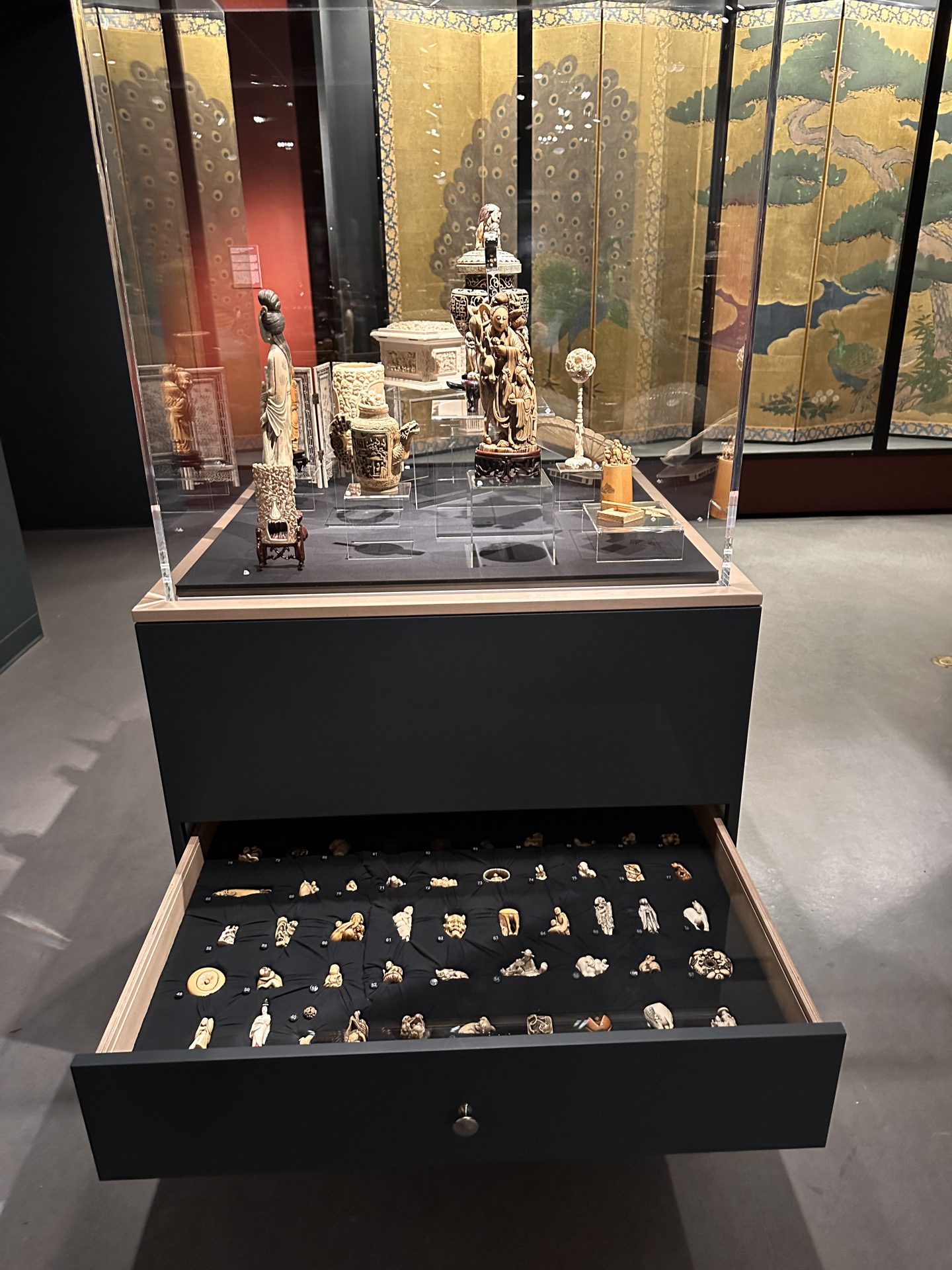
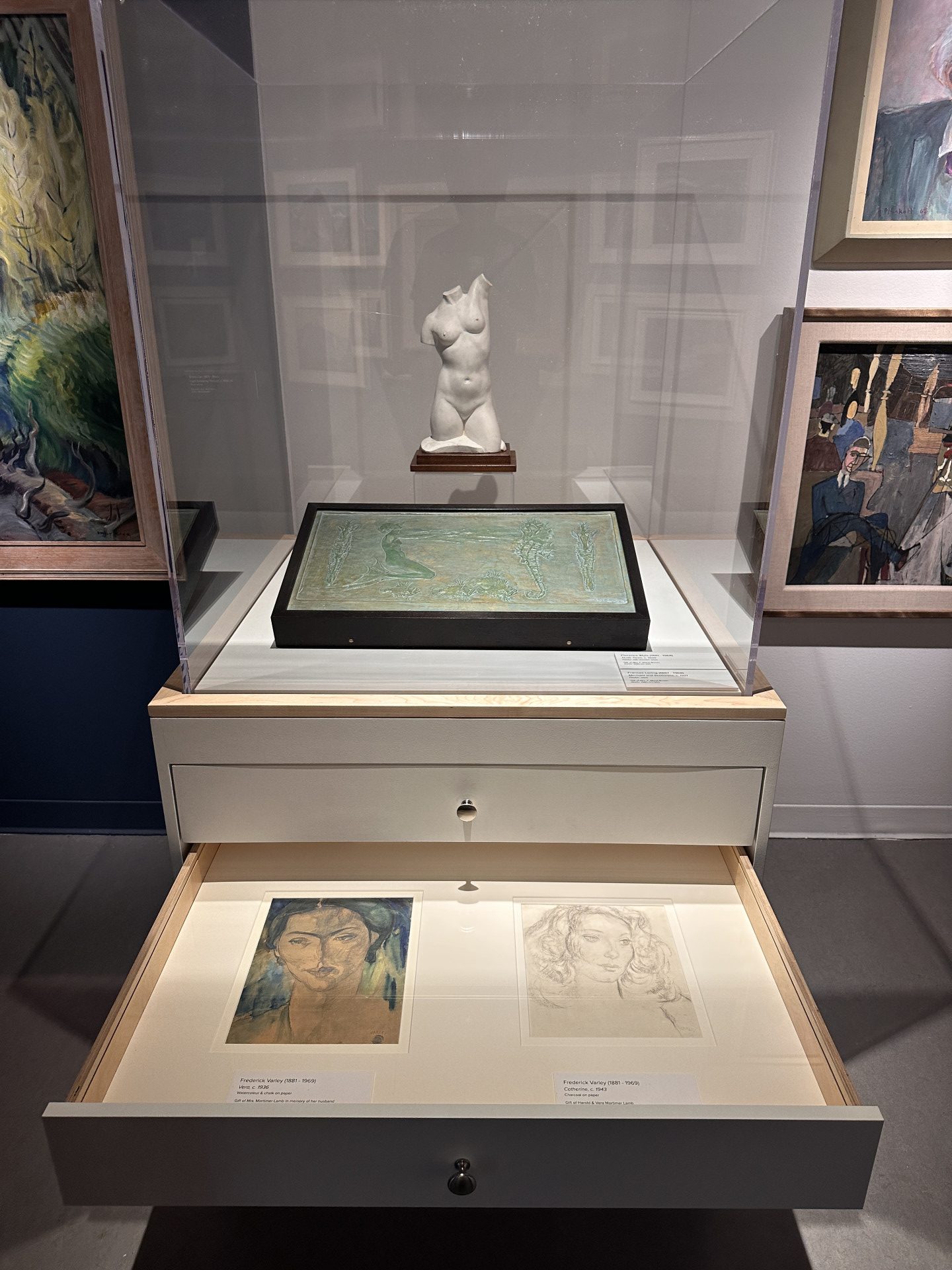
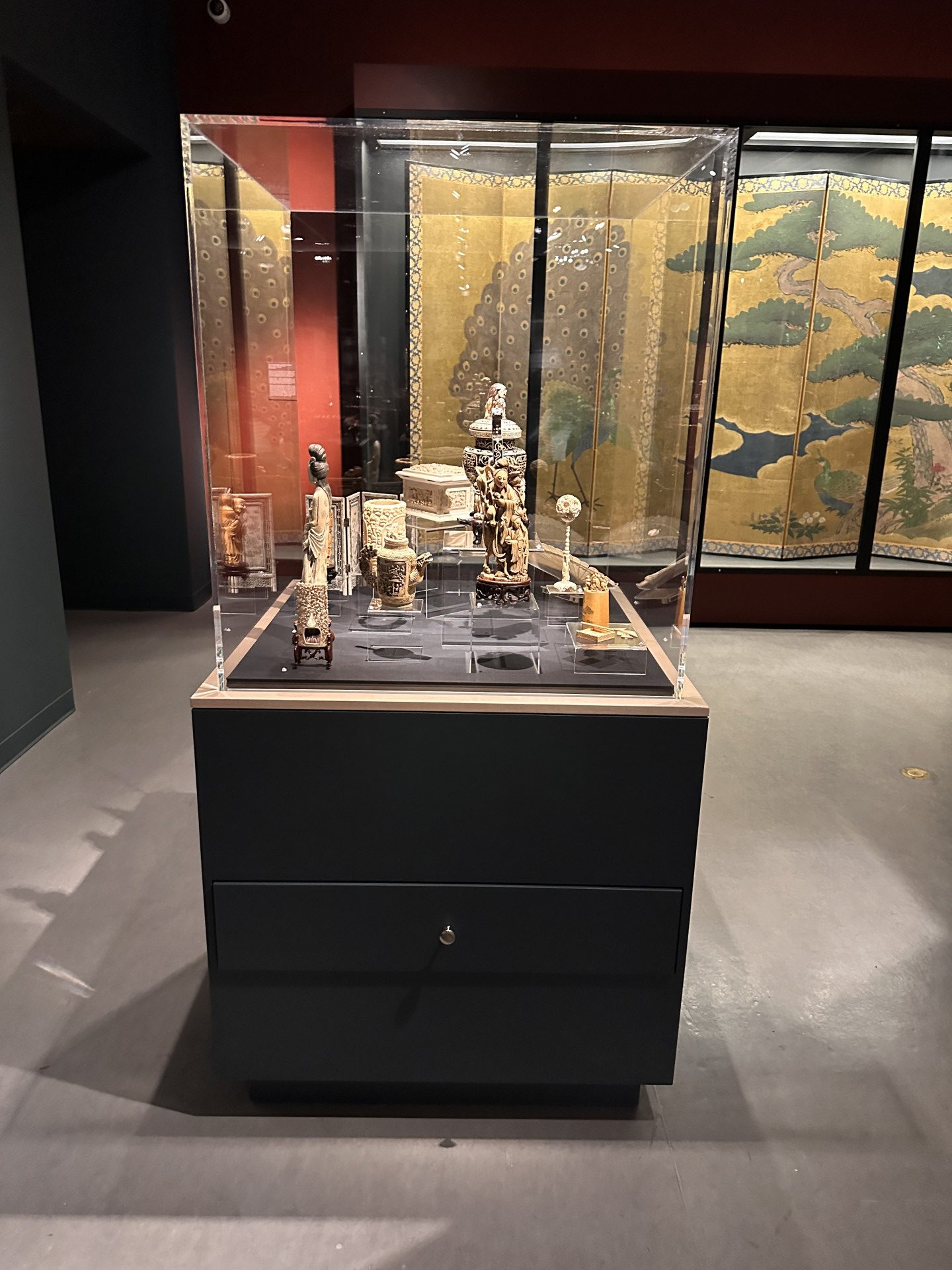
MJY Fabrication partnered with the Greater Victoria Art Gallery to design and fabricate a series of custom museum-grade display cases tailored to the presentation and protection of important artworks and artifacts within a public gallery environment.
The project required a highly refined fabrication approach balancing visual restraint, structural durability, and long-term institutional performance. Every element needed to integrate seamlessly into the gallery environment while allowing the displayed works themselves to remain the primary focus.
Designed for ongoing public use, the completed cases provide secure, durable, and architecturally refined display infrastructure suitable for evolving exhibitions over time.
Museum and gallery display fabrication requires a level of precision and restraint beyond conventional millwork.
The Greater Victoria Art Gallery required display cases capable of securely housing exhibited works while maintaining an understated architectural presence within the gallery environment. The challenge was not simply building durable cases, but creating display infrastructure refined enough to visually disappear into the space.
In gallery environments, even minor inconsistencies become highly visible under controlled lighting conditions and close public viewing distances. Alignment, reflections, hardware visibility, sightlines, material transitions, and finish quality all required careful consideration.
Key project challenges included:
The result needed to feel permanent, quiet, and highly intentional.
MJY Fabrication acted as the design-build fabrication partner for the project, supporting:
All fabrication was completed through MJY’s in-house workflow, allowing tight quality control throughout the project.
Each display case was fabricated with tight tolerances to ensure consistent alignment, clean reveals, and smooth operation throughout. Careful attention was given to proportion, detailing, and visual balance so the cases would support the visitor experience without drawing attention away from the exhibited pieces.
The cases were intentionally designed with restrained detailing and discreet hardware integration to maintain unobstructed visibility into the display environment. This included:
The goal was to create display infrastructure that felt architecturally integrated rather than applied.
While visually minimal, the cases were engineered for long-term public use within a high-traffic institutional environment. Material and construction decisions prioritized:
Beyond presentation quality, the cases were designed to support the operational needs of an active gallery environment, including:
Projects within cultural institutions demand an elevated level of coordination, finish quality, and accountability.
Throughout fabrication and installation, MJY Fabrication maintained a detail-focused workflow to ensure every component aligned precisely within the gallery environment. Particular attention was given to:
Because museum environments place viewers in close proximity to displayed work, small fabrication inconsistencies become immediately noticeable. Maintaining a refined, cohesive final presentation required constant attention to detail throughout every stage of the build process.